Things have taken a turn since the flaming cocktail at lunch.
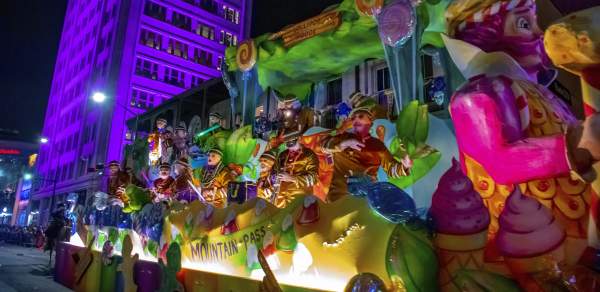
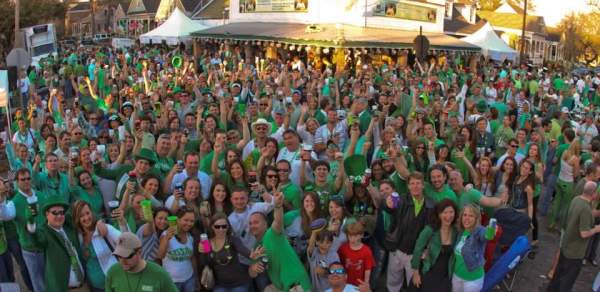
Our railway journey across America’s Deep South had started in a city that has ruffled a few technicolour feathers with its claim that it is the “birthplace of Mardi Gras”. Mobile, in Alabama, says it hosted the very first celebration in the US, in 1703 — some 15 years before New Orleans was founded. As with any “healthy sibling rivalry”, though, “if either city was in trouble, we’d have each other’s back”, Mobile historian Cart Blackwell insisted.
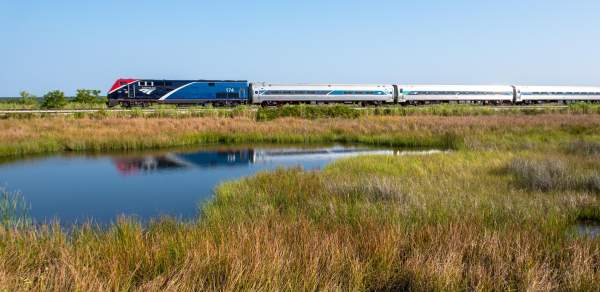
It is just as well, because the country’s national rail carrier, Amtrak, has reconnected the two Gulf Coast destinations after 20 years with its twice-daily Mardi Gras Service. It takes 3hr 45min from Mobile to New Orleans — or Nola as the locals call it — with stops in Mississippi cities Pascagoula, Biloxi, Gulfport and Bay Saint Louis.
Southern comfort food
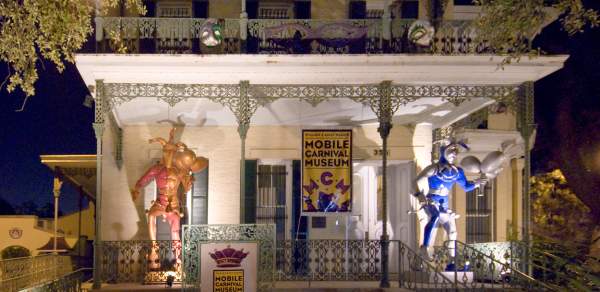
Blackwell, the curator at Mobile’s Carnival Museum, stresses its Mardi Gras is more family-friendly than New Orleans’, but is hopeful the trains’ early-morning and evening departure times will allow revellers to attend parades in both cities on the same day.
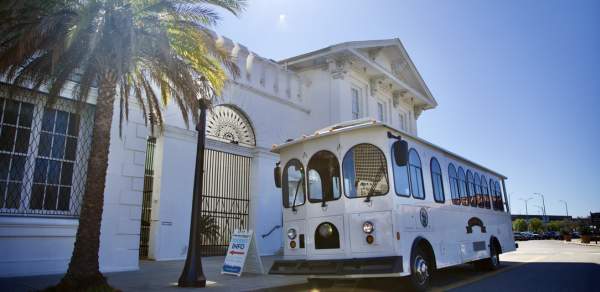
After admiring the regalia from mystic societies’ former kings and queens, including intricately hand-sewn robes with trains weighing up to 50lb, we boarded Gulf Coast Tour’s white vintage-style streetcar. Tour highlights included the awesome USS Alabama battleship and fighter plane pavilion and neighbourhoods of charming Creole cottages and Colonial and Greek Revival houses.
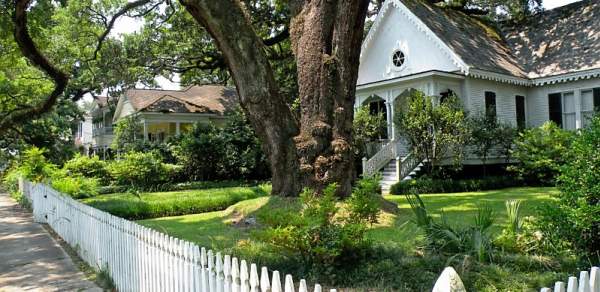
Think streets lined with Forrest Gump’s childhood home, all in varying sizes and pastel tones, with wraparound porches, shuttered windows and swing chairs. The book about a loveable Alabama man, later adapted into the hit 1994 film, was written by Winston Groom, who lived for much of his life in Mobile.
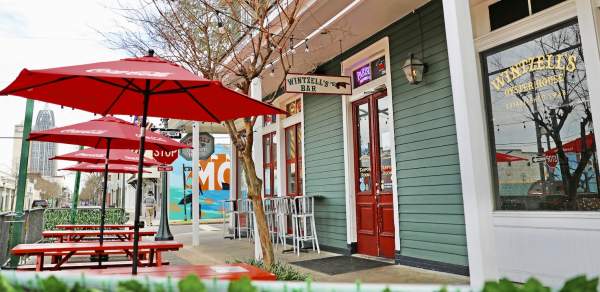
The city is fast-becoming a foodie haven, and downtown’s Dauphin Street is the main entertainment and restaurant hub.